Mentah: A Modern Script Handwritten Font for Web Design
When I first loaded Mentah into a fresh Figma file for a boutique coaching website, the difference was immediate. As a web designer constantly hunting for that perfect balance between personality and professionalism, finding the right typeface can make or break a user’s first impression. Mentah is not just another addition to my library of Fonts; it is a deliberate design choice that bridges the gap between raw creativity and digital clarity. This Script Handwritten style brings a human touch to screens that often feel cold and corporate, offering a unique visual voice that stands out in crowded hero sections and landing pages.
Why Mentah Works for Modern Landing Page Headers
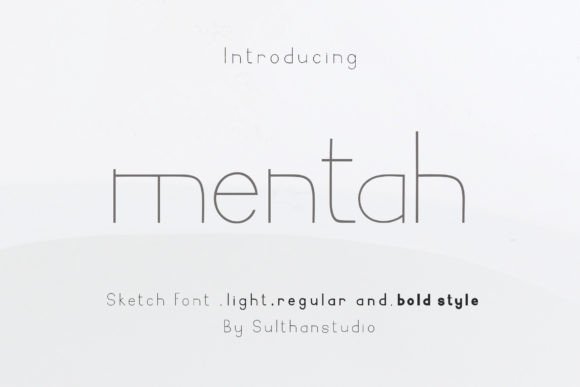
In the early stages of building a high-converting landing page, the headline is the most critical element. It needs to grab attention within seconds while remaining legible across various devices. Mentah, described as a sketch font with sans serif roots, offers a minimalist yet powerful setting that performs exceptionally well in these high-visibility areas. Unlike traditional cursive scripts that can become illegible at smaller sizes or on low-resolution screens, this Script Handwritten typeface maintains clean lines that guide the eye smoothly. When I tested it against a bold sans serif body copy, the contrast created a natural visual hierarchy that improved scanning behavior significantly.
The origin of this typeface adds to its structural integrity. Born from the lines of the Rajin font and redeveloped into a different style, Mentah retains a sense of familiarity while offering a fresh, modern aesthetic. For digital product creators, this means you get a font that feels custom-made without the custom price tag. Whether you are designing a course sales page or a SaaS founder’s portfolio, using Mentah in your H1 tags adds a layer of sophistication that generic system fonts simply cannot match. It signals to the visitor that attention to detail is a core value of the brand.
Enhancing Brand Identity with Script Handwritten Fonts
Brand identity in the digital space is largely defined by typography choices. When selecting Fonts for a new client project, I look for typefaces that convey emotion without sacrificing readability. Mentah excels here because its minimalist approach avoids the excessive flourishes that often clutter mobile interfaces. This makes it an ideal candidate for brands aiming for a clean, contemporary look. Whether you are working on a digital brand kit for a lifestyle blogger or refreshing the visual identity of an online store, this Script Handwritten font provides versatility.
I recently used Mentah for a creative agency’s homepage redesign. The goal was to move away from stiff, corporate imagery and toward a more approachable, human-centric vibe. By pairing Mentah with a neutral sans serif for body text, we created a layout that felt both professional and inviting. The font’s sketch-like quality added warmth to the interface, encouraging users to spend more time exploring the content. This demonstrates how the right Fonts can influence user engagement and trust, turning casual visitors into loyal followers.
Readability and Performance on Mobile Devices
One of the biggest challenges in web typography is ensuring that decorative fonts remain readable on small screens. Many Script Handwritten options fail this test, becoming blurry or indistinguishable on smartphones. However, Mentah was designed with a powerful setting that prioritizes clarity. During my testing phase, I checked the font’s performance on various viewports, from large desktop monitors to compact mobile devices. The results were consistent: the letterforms remained distinct, and the spacing allowed for comfortable reading even in shorter phrases.
For UI designers, this reliability is crucial. When using Mentah for call-to-action buttons or short section headings, you do not have to worry about the text breaking or becoming illegible. Its minimalist structure ensures that it loads quickly and renders sharply, contributing to a smoother user experience. This is particularly important for e-commerce sites where speed and clarity directly impact conversion rates. By choosing a font like Mentah, you are investing in a seamless cross-device experience that respects the user’s time and attention.
Pairing Mentah with Sans Serif and Serif Typefaces
Effective web design relies heavily on font pairing. A standalone display font can look impressive, but it needs support to create a cohesive layout. Mentah pairs beautifully with both sans serif and serif fonts, offering flexibility for different design directions. For a modern, tech-forward look, I recommend pairing it with a geometric sans serif. This combination highlights the organic nature of the Script Handwritten style while maintaining a structured, clean background. On the other hand, pairing Mentah with a classic serif font can create an elegant, editorial feel suitable for luxury brands or high-end portfolios.
When integrating Mentah into your design system, consider using it for emphasis rather than long-form content. It shines in logos, pull quotes, and introductory headers. By limiting its use to key visual elements, you preserve its impact and prevent visual fatigue. This strategic application of Fonts ensures that your design remains balanced and easy to navigate. Remember, the goal is to enhance the message, not distract from it. Mentah achieves this balance by offering a distinctive voice that complements rather than overwhelms the surrounding content.
Licensing and Technical Considerations for Web Projects
Before implementing any new typeface, it is essential to review the technical specifications and licensing terms. Mentah comes with the necessary file formats for web integration, ensuring compatibility with major browsers and design tools. For web designers and developers, this means a straightforward implementation process without unexpected hurdles. Always check for webfont availability and ensure you have the appropriate commercial license for client projects or online stores.
Additionally, consider the multilingual support if you are designing for a global audience. While Mentah is primarily designed for Latin scripts, understanding its character set limits helps in planning alternative solutions for non-Latin text. By addressing these technical details early, you avoid last-minute revisions and ensure a polished final product. Investing in high-quality Fonts like Mentah is not just about aesthetics; it is about building a robust, scalable design foundation that supports your brand’s growth and professionalism.